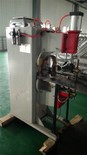
Hey there! As a supplier of grain cleaners, I'm super excited to walk you through how a grain cleaner works, specifically when it comes to cleaning oats. Oats are a staple in many diets, and getting them clean is crucial for both quality and safety. So, let's dive right in!
The Basics of a Grain Cleaner
First off, what exactly is a grain cleaner? Well, it's a machine designed to remove impurities from grains like oats. These impurities can include things like dirt, dust, chaff, broken kernels, and even foreign objects like stones or pieces of metal. By cleaning the oats, we ensure that the final product is of high quality and meets the standards of consumers and food manufacturers.
A typical grain cleaner consists of several components, each with its own specific function. These components work together in a coordinated manner to achieve the desired level of cleaning. The main parts of a grain cleaner usually include a feeding system, a cleaning chamber, a separation system, and a discharge system.
The Feeding System
The process starts with the feeding system. This is where the oats are loaded into the grain cleaner. The feeding system is designed to ensure a consistent and even flow of oats into the cleaning chamber. It can be as simple as a hopper or a more complex conveyor system, depending on the size and capacity of the grain cleaner.
The key here is to control the rate at which the oats enter the cleaning chamber. If the flow is too fast, the cleaner may not be able to clean the oats effectively. On the other hand, if the flow is too slow, it can reduce the overall efficiency of the machine. So, a well - designed feeding system is essential for optimal performance.
The Cleaning Chamber
Once the oats enter the cleaning chamber, the real action begins. Inside the cleaning chamber, there are various mechanisms at work to remove the impurities. One of the most common methods is air aspiration. Air is blown through the oats, and the lighter impurities like chaff and dust are carried away by the air stream. This is similar to how a vacuum cleaner works, but on a much larger scale.
Another important mechanism in the cleaning chamber is sieving. The oats pass through a series of sieves with different mesh sizes. The larger impurities that are too big to pass through the sieve are retained on top, while the smaller ones that are too small fall through the holes. This helps to separate the oats from the unwanted particles based on their size.
Some grain cleaners also use a combination of air aspiration and sieving to achieve a more thorough cleaning. For example, after the initial air aspiration, the oats may pass through a series of sieves to further refine the cleaning process.
The Separation System
After the oats have been through the cleaning chamber, the separation system comes into play. This system is responsible for separating the clean oats from the remaining impurities. One common method used in the separation system is gravity separation. Since the oats and the impurities have different densities, they will settle at different rates when subjected to gravity.
The separation system can also use other techniques such as magnetic separation. If there are any metal particles in the oats, a magnet can be used to attract and remove them. This is especially important for ensuring the safety of the final product, as metal particles can be harmful if consumed.
The Discharge System
Once the oats have been cleaned and separated from the impurities, they are ready to be discharged from the grain cleaner. The discharge system is designed to collect the clean oats and transfer them to the next stage of the processing, such as storage or packaging.
The discharge system can be a simple chute or a more complex conveyor system, depending on the requirements of the operation. It's important to ensure that the discharge system is clean and free of any blockages to prevent contamination of the clean oats.
Benefits of Using a Grain Cleaner for Oats
Now that we've seen how a grain cleaner works, let's talk about why it's so important to use one when cleaning oats. Firstly, it improves the quality of the oats. By removing impurities, the oats look better, taste better, and have a longer shelf life. This is especially important for food manufacturers who need to produce high - quality products.
Secondly, using a grain cleaner can increase the efficiency of the processing. When the oats are clean, there is less wear and tear on the downstream equipment, such as mills and packaging machines. This can lead to lower maintenance costs and higher productivity.
Finally, a grain cleaner helps to ensure the safety of the oats. By removing harmful impurities like stones, metal particles, and dust, we reduce the risk of contamination and ensure that the oats are safe for human consumption.
Our Grain Cleaners
As a supplier of grain cleaners, we offer a wide range of products to meet the diverse needs of our customers. Our grain cleaners are designed with the latest technology and high - quality materials to ensure reliable and efficient performance.


We understand that different customers have different requirements, so we offer customizable options. Whether you need a small - scale grain cleaner for a local farm or a large - scale industrial cleaner for a food processing plant, we can provide a solution that fits your needs.
If you're in the market for a grain cleaner, don't hesitate to reach out to us. We have a team of experts who can help you choose the right product for your specific application. We also offer after - sales support, including installation, maintenance, and repair services.
Related Equipment
In addition to grain cleaners, we also have some other related equipment that might be of interest to you. For example, if you're looking for a High Temperature Furnace, we can provide you with information on the best options available. A high - temperature furnace can be used in various applications, such as heat treatment of metals or the production of certain types of ceramics.
Another piece of equipment we can offer is the Glue Dipping Assembly Line. This is useful for industries that require the application of glue to various products. It can improve the efficiency and quality of the gluing process.
And if you're in the market for a Rubber Coated Disposable Hanger Machine High Quality, we can also assist you. This machine is ideal for producing high - quality rubber - coated hangers, which are popular in the clothing industry.
Contact Us for Procurement
If you're interested in purchasing a grain cleaner or any of our other products, we'd love to hear from you. We're always ready to have a detailed discussion about your needs and provide you with the best possible solutions. Whether you're a small business owner or a large - scale manufacturer, we can help you find the right equipment for your operation.
Don't miss out on the opportunity to improve the quality and efficiency of your oat - cleaning process. Get in touch with us today, and let's start a conversation about how we can work together to meet your procurement needs.
References
- "Grain Cleaning Technology" - A comprehensive guide on the latest advancements in grain cleaning technology.
- "Oat Processing Handbook" - A detailed handbook on the processing of oats, including the role of grain cleaners.
- Industry reports on the use of grain cleaners in the agricultural and food processing sectors.